श्री स्वर्गाश्रम विनसर महादेव मंदिर के बारे में
About Temple
A sacred abode of Lord Shiva amidst the divine deodar forests, preserving centuries of spirituality, peace, and timeless devotion.
श्री स्वर्गाश्रम विनसर महादेव मंदिर का परिचय
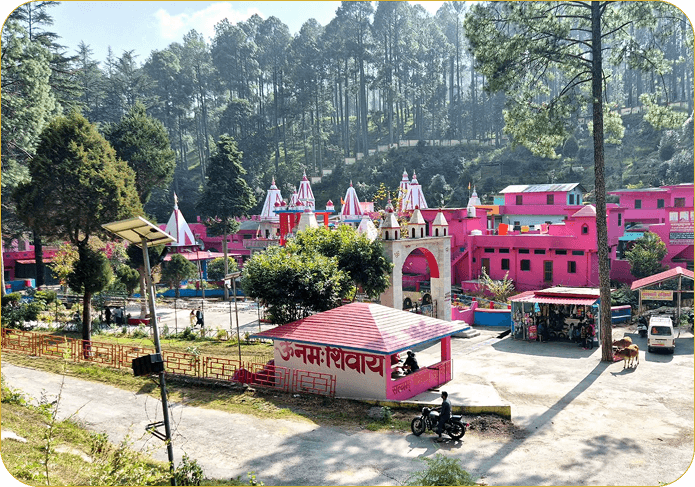
Binsar Mahadev Temple is a spiritual place where you can feel the divine presence of Lord Shiva. This temple is located in a peaceful locality surrounded by thick forests that give a unique and mesmerizing experience.
Binsar Mahadev Temple is a place where you feel a sense of peace and reverence the moment you enter. With this experience, the sense of divinity and tangible connection with Lord Shiva is humbling and awe-inspiring. It's a place where you can find comfort, inner peace, and a deep spiritual bond.
मंदिर की उत्पत्ति एवं इतिहास
A Sacred Oasis: Binsar Mahadev Temple
The holy temple of Binsar Mahadev is located among the thick deodar trees. Along with its divinity and spiritual atmosphere, this location is well-known for its breathtaking natural beauty. Binsar Mahadev is said to have been built in the ninth or tenth century and has long been a significant religious site in Uttarakhand.
A Miraculous Discovery
Long before it became a pilgrimage site, the temple was founded on a moment of quiet wonder. Villagers noticed a cow visiting a specific rock every day, offering milk to it as if in worship. A villager struck the rock with an axe out of curiosity, and it began to bleed. That night, Lord Shiva appeared in his dream and revealed that the rock contained a sacred Shivling. The villager built a simple shrine on the spot, marking the beginning of what would become Binsar Mahadev Temple. Even today, the Shivling bears the mark of that axe, a permanent reminder of its miraculous discovery.
From Bindeshwar to Binsar
Originally known simply as a Shivalaya, King Pithu renamed the temple Bindeshwar in the ninth century in honor of his father, Bindhu. The name softened over time, thanks to local dialect and tradition, and is now known as Binsar.
Architectural and Historical Significance
The temple is famous for its idols of Ganesh, Har Gauri, and Maheshmardini, the latter of which has inscriptions in Nagarilipi script from the ninth century, a rare and valuable trace of the early history of the area. The entire Bhagavad Gita was inscribed on the walls of the Gita Bhavan, which was constructed in 1957 as part of Saint Mohangiri Maharaj's reconstruction of the temple. This added a place for contemplation in addition to worship.
A Living Tradition
In the local faith, Binsar Mahadev is still very much alive. During the holy month of Sawan, devotees believe that giving water to the Shivling will grant their sincere wishes. The temple used to host a fair that eventually faded but was brought back in 1960, bringing ritual, kirtans, and bhajans to the forest once more. Although there are other Binsar Mahadev temples in Pauri Garhwal and Dwārāhat, this temple near Ranikhet, nestled in cedar forests next to its stream, is thought to be the oldest and most miraculous of them all .
मंदिर में विराजमान देवता
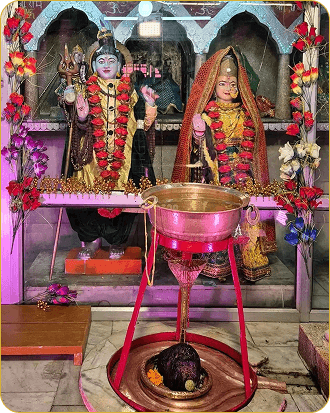
Parvati Shankar
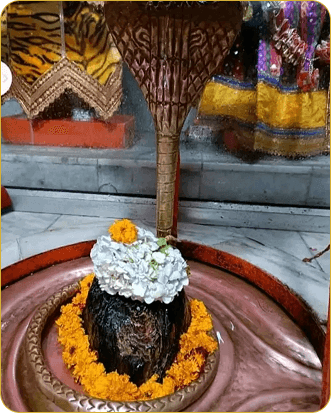
Shivling
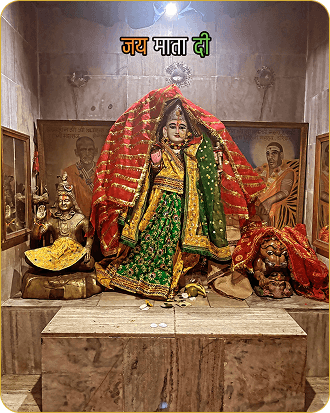
Durga Mata
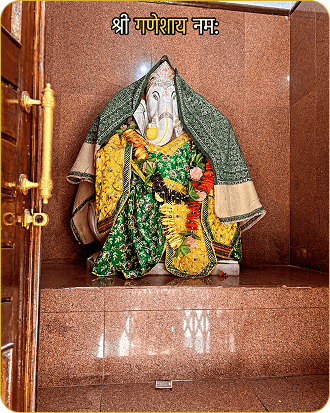
Lord Ganesh
श्री स्वर्गाश्रम विनसर महादेव मंदिर का धार्मिक महत्व
Sacred Abode of Lord Shiva
भगवान शिव का पावन धाम
Binsar Mahadev Temple is a revered shrine dedicated to Lord Shiva, where devotees seek His divine blessings, inner peace, and spiritual strength through heartfelt worship and prayer.
Divine Blessings & Fulfillment of Wishes
मनोकामना एवं आशीर्वाद
It is believed that prayers offered with sincere devotion at Binsar Mahadev Temple are blessed by Lord Shiva, bringing peace, prosperity, well-being, and the fulfillment of devotees' heartfelt wishes.
A Sanctuary for Meditation & Spiritual Peace
तप, साधना एवं आध्यात्मिक शांति
Nestled amidst the serene Himalayan landscape and lush deodar forests, the temple offers a tranquil environment ideal for meditation, self-reflection, and spiritual rejuvenation.